

When you think of castles, you may picture the grand piles around the country that are often tourist attractions.
Places like Dover Castle, Warwick Castle, Conwy Castle, or the many crumbling ruins in Northumberland, like Bamburgh Castle and Dunstanburgh Castle.
But in reality the whole country was once littered in castles, from William the Conqueror’s Motte and Baileys, to fortified houses and civil war battlements.
Closer to home you may have visited Richmond Castle or Barnard Castle.
But does Teesside have any castles?
Yes, of course! You just may not have seen them, since very little remains.
A number of castles of various styles exist or existed in the area we know as Teesside today. They remain in part, often ruinous or much smaller than what once stood.
Here are Teesside’s castles:
Bishopton Castle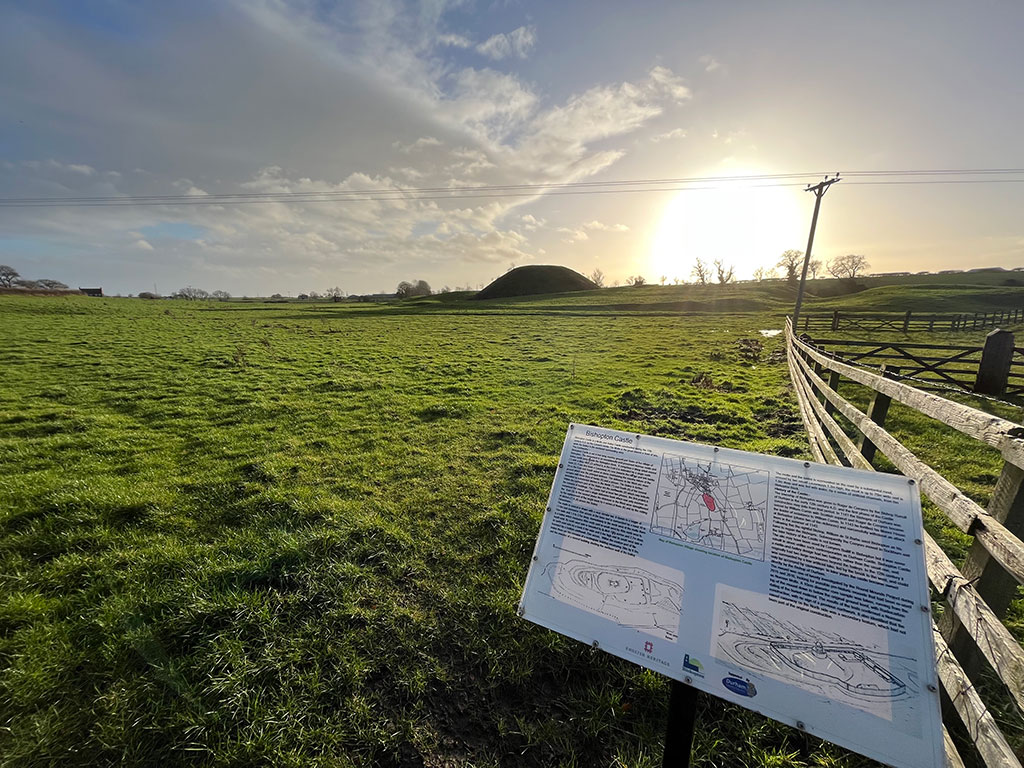
The village of Bishopton is a few miles west of Stockton – one of a group of nice little villages including Redmarshall, Carlton, Stillington and Thorpe Thewles.
As you enter the village from Stockton, look to your left and you’ll see what remains of the village’s own Motte and Bailey castle standing proud in a field.
This was built in 1143, and unusually had two baileys, surrounded by a large enclosure and lake.
Still in remarkable condition today, it’s a fantastic and hidden part of Teesside’s medieval history.
Kilton Castle
Stuffed cat, CC BY-SA 4.0 <https://creativecommons.org/licenses/by-sa/4.0>, via Wikimedia Commons
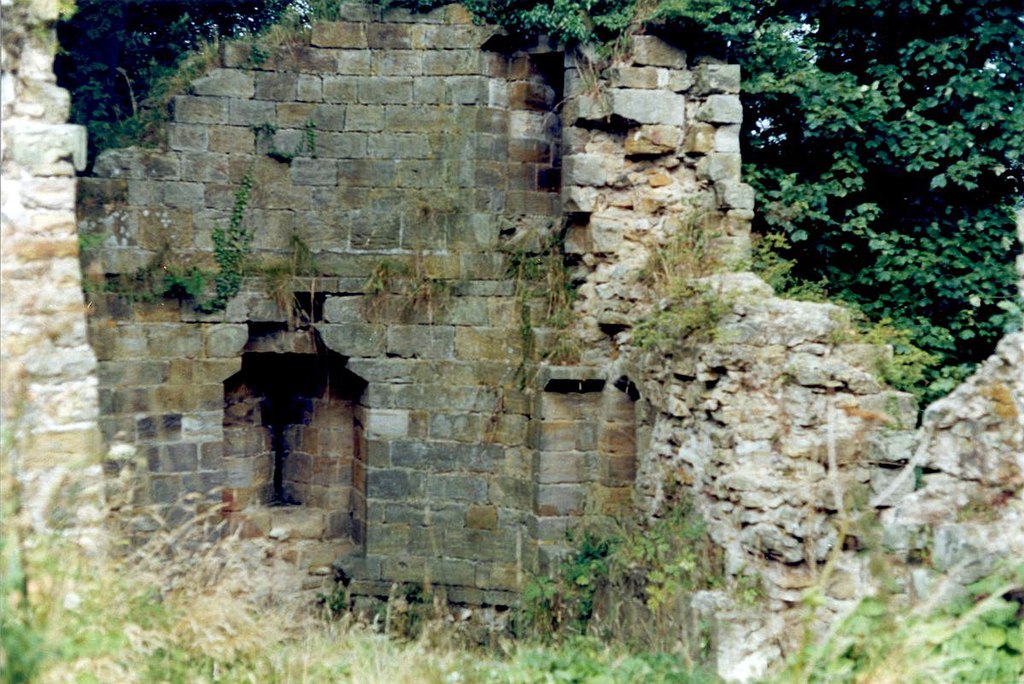
Over in East Cleveland, the remains of a 12th Century castle still cling to the sides of a ravine, hidden in a forest. You’d never know it was there.
Kilton Castle was built in the 12th century, and passed between many different owners, including the de Brus, de Thweng and de Lumley families.
The castle didn’t have a keep, but made use of the natural landscape to form its defenses. The castle was in ruins by the 14th century.
Today remains of the towers and domestic buildings remain, but it’s quite hard to reach or see through the undergrowth.
Whorlton Castle
Prioryman, CC BY-SA 3.0 <https://creativecommons.org/licenses/by-sa/3.0>, via Wikimedia Commons
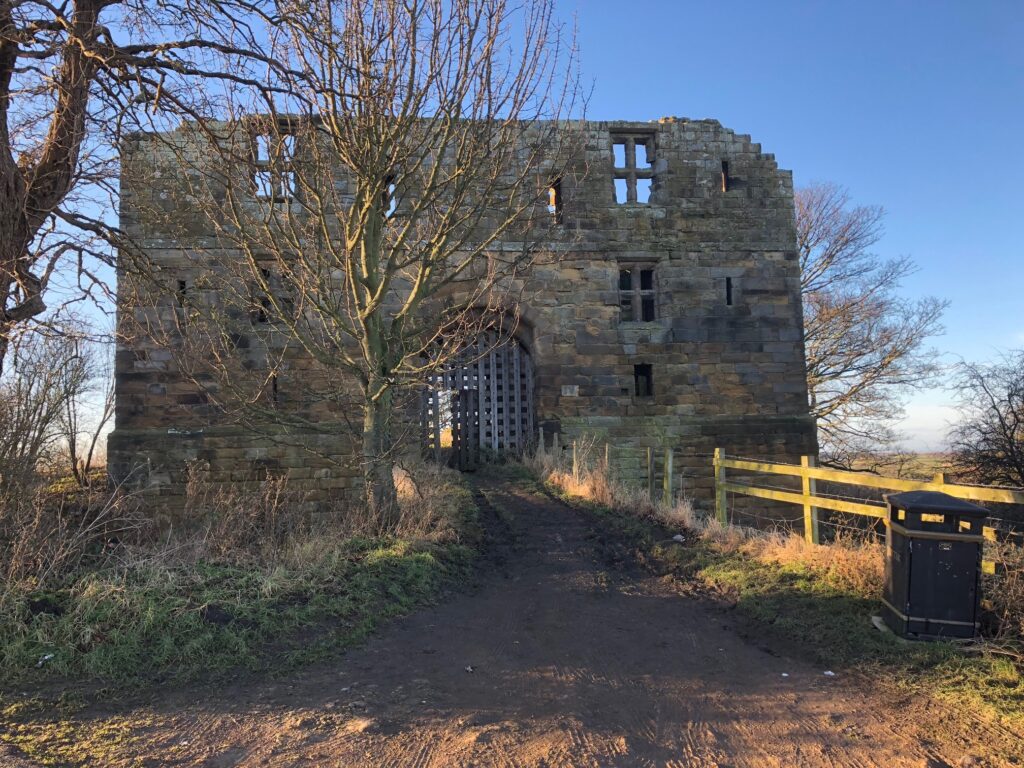
At the extreme edge of our region in the remains of Whorlton Castle, next to the village of Swainby on the North York Moors.
As you drive past on the A172, you may notice the castle looming behind the trees. You’ll find it if you drive into Swainby and cross the bridge next to the church. Follow the lane and it’s on your left.
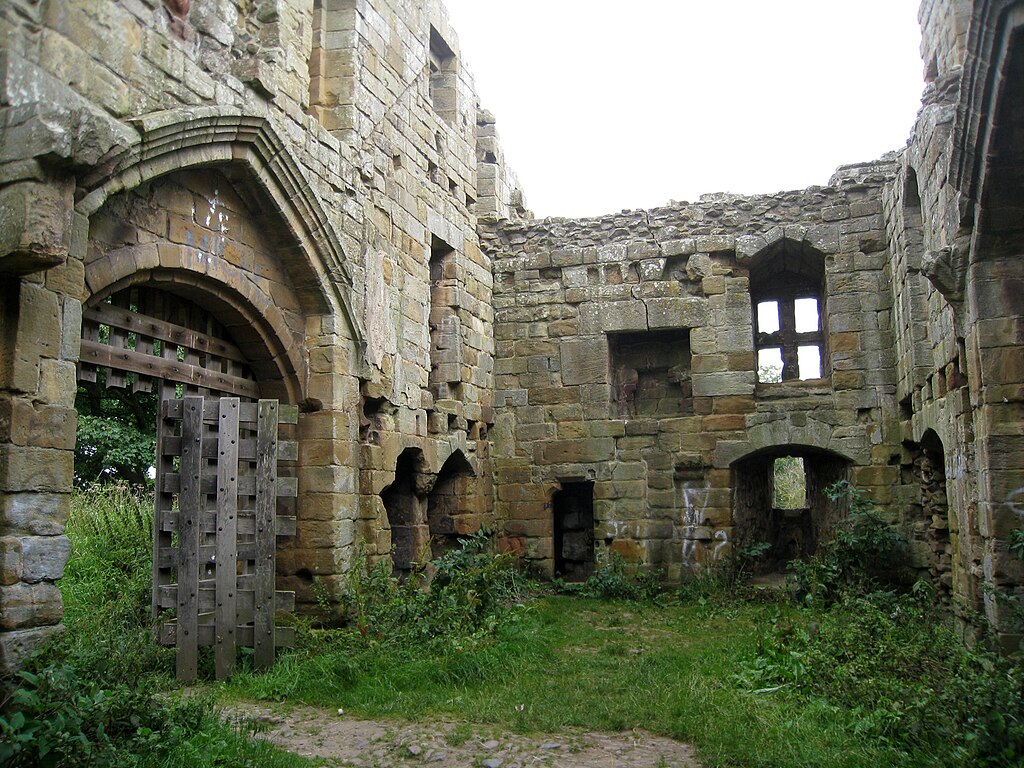
What you see today was formerly the gatehouse, and is all that remains of the medieval castle, save for some earthworks and ground-level ruins.
You can enter the gatehouse and wander around the site, where remains of rooms and fireplaces can be seen in the roofless structure.
This castle was built in the 12th century, and still inhabited as late as the 17th century. The main part of the castle had largely disappeared by the 19th century, but you’ll find much of the stone reused in Swainby’s church.
Castle Hill Levington
https://upload.wikimedia.org/wikipedia/commons/d/d0/Castle_Hill_-_geograph.org.uk_-_145640.jpg
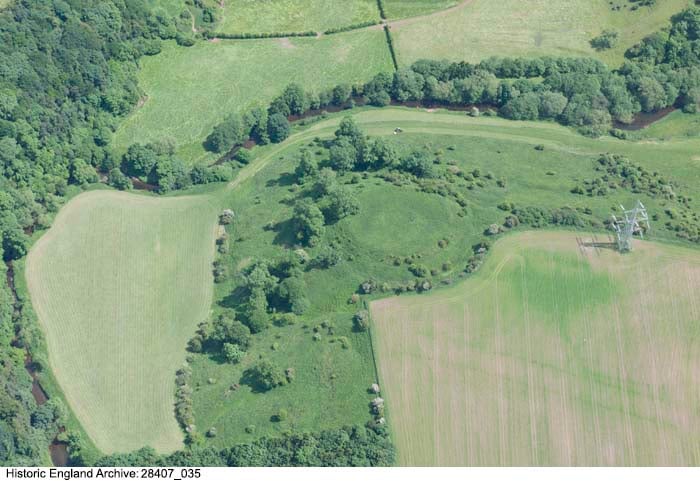
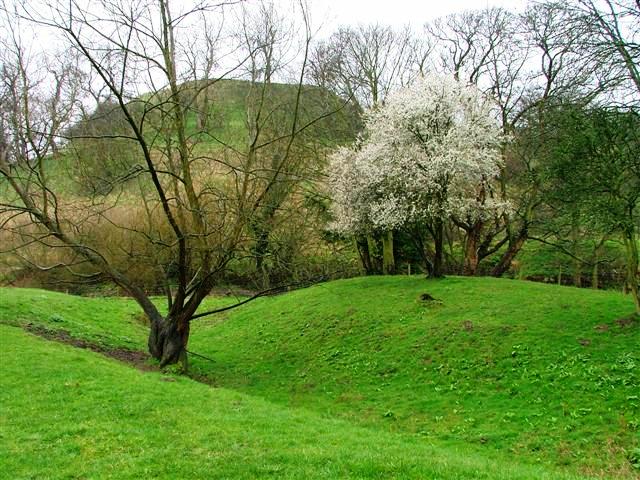
In a remote spot overlooking the River Leven between Yarm and the A19 is the remains of a small castle which existed in the 12th century.
Known as Castle Hill, it has the form of a ringwork fortress, but never took the full form of a motte and bailey.
It’s likely to have had a timber hall and other buildings, but today only the earthwork remains.
Round Hill, Ingleby Barwick
On the southern edge of Ingleby Barwick – one of Europe’s largest modern housing estates – is the remains of a motte and bailey castle.
It lies at the confluence of the River Leven and River Tees, a short distance from Yarm and across the river from Eaglescliffe
There’s little evidence of this castle being developed very far, and today it’s only evident from the hill rising above this corner of the two rivers.
Wilton Castle
Paul Buckingham / Wilton Castle, Teesside
This is a bit of a strange one.
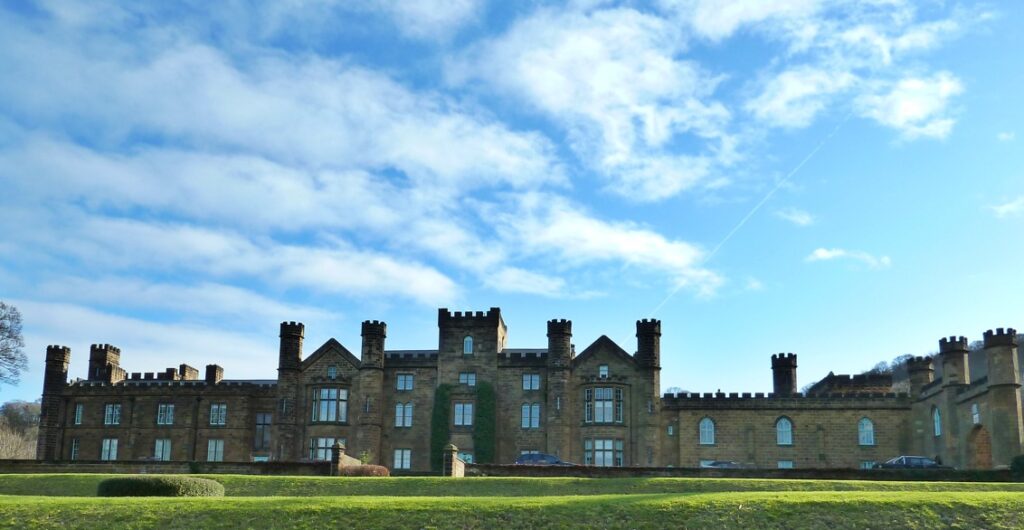
Wilton Castle will be familiar to many of you. As the beating heart of ICI on Teesside for many years, Wilton Castle was a famous venue for social events, meetings, golf and more.
Prior to this, the building – which is really a posh manor house built to look like a castle in 1805 – was a private home of the Lowther family.
However, prior to this, the site was indeed a medieval castle. But even then, it was only a fortified manor house, built originally of timber in the 11th century and later rebuilt in stone.
Today Wilton Castle has been converted into very expensive apartments.
What About Stockton Castle?
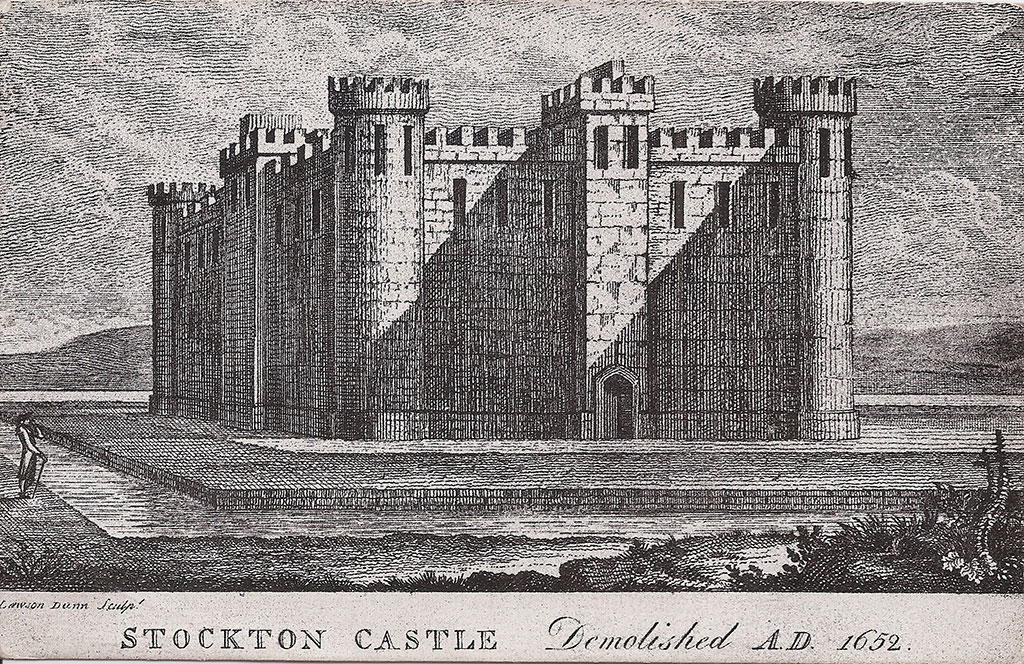
An artist’s impression of Stockton castle. But what did it really look like?
Of course, Stockton famously had a castle, but today nothing remains of it save for some reused bits of stone and place names.
You have probably heard of the Castlegate Centre – the shopping mall at the southern end of Stockton High Street which is in the process of being demolished to make a large urban park leading down to the River Tees.
As its name suggest, it was built close to the site of what was Stockton Castle, which existed from the 12th Century until largely destroyed after the Civil War in the 1640s.
Only a barn remained, which was sadly lost in the 19th century.
Some of the stones of the castle were reputedly used in a house in nearby Hartburn village, and this stylized (and highly inaccurate) image is all we have to show the structure.
We’ll be doing a special article on the lost Stockton castle in the near future, so stay tuned!